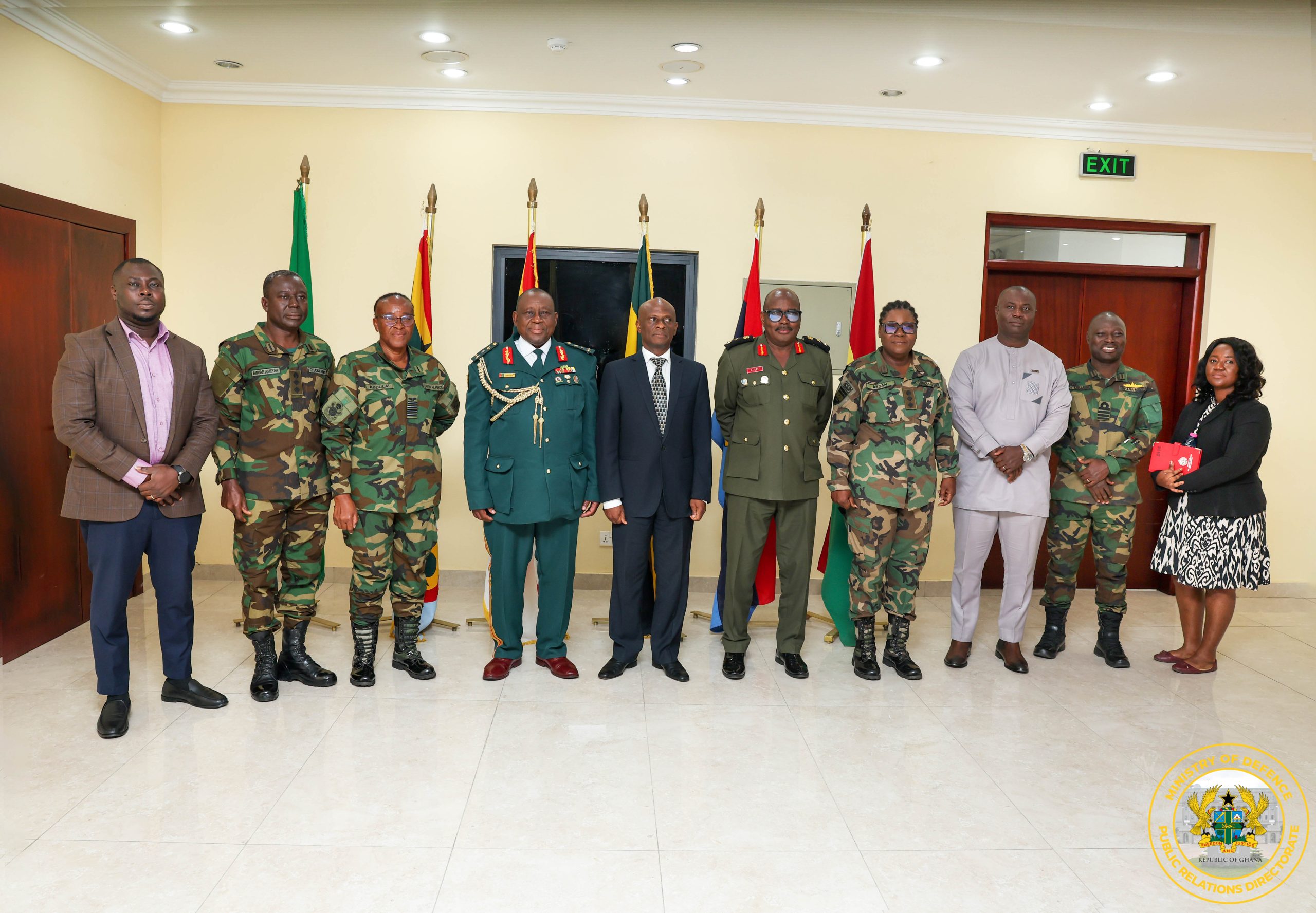

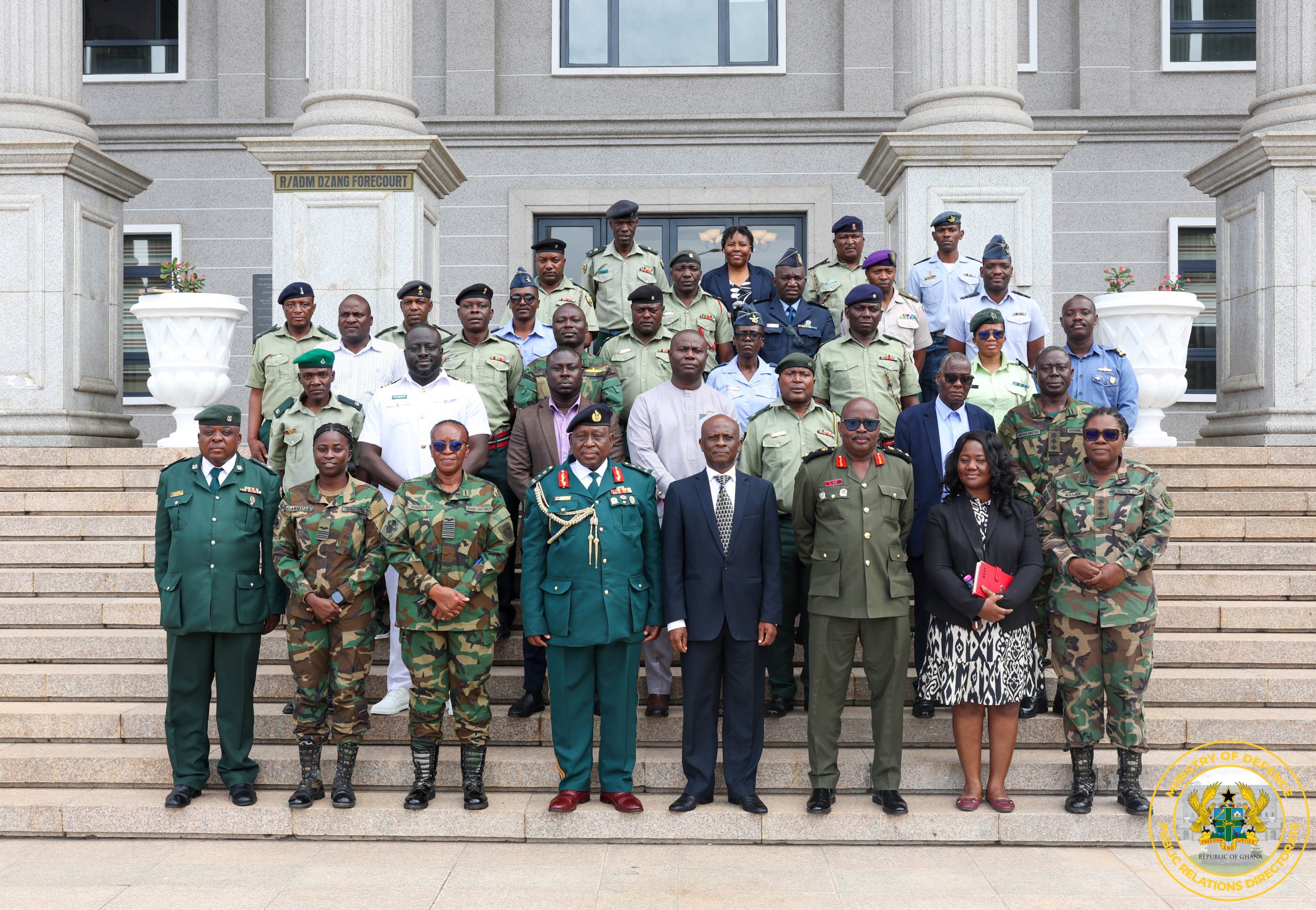
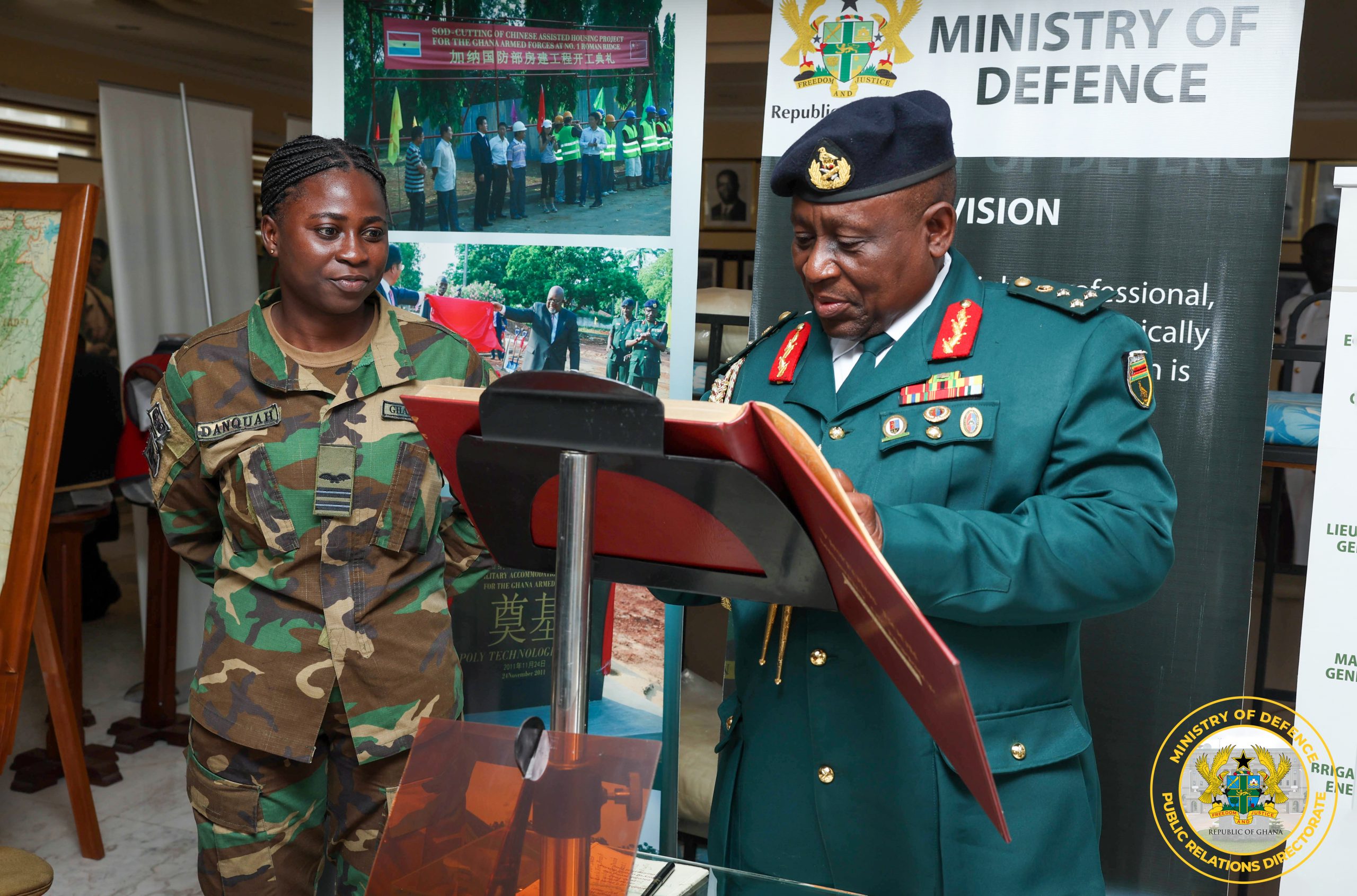
A 22-member delegation from the Zimbabwe Defence Force Joint Command and Staff College Course 39 has paid a study visit to the Ministry of Defence as part of a study tour aimed at enhancing their understanding of Ghana’s security, socio-economic and cultural architecture.
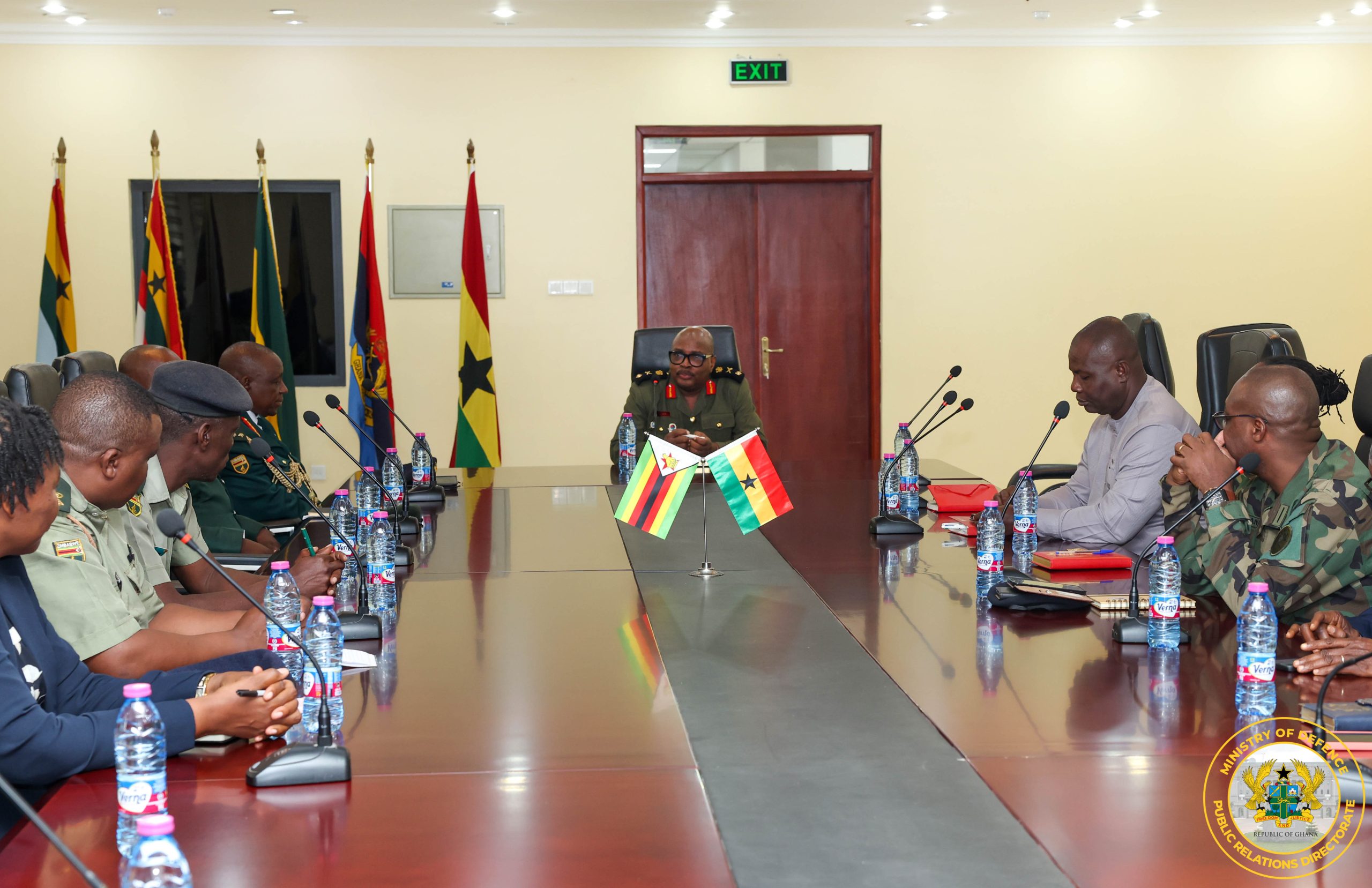
The delegation, led by the Commandant of the College, Brigadier General Christopher Sibanda, stated that the visit formed part of the College’s study programme and was intended to provide the participants with an appreciation of Ghana’s security environment, socio-economic development and cultural dynamics.
Welcoming the delegation on behalf of the Deputy Defence Minister, The Principal General Staff Officer, Brigadier General Ben Gah, said the study tour would go a long way towards broadening the participants’ knowledge and shaping their leadership skills. He described Ghana as a friendly country and encouraged the delegation to take the opportunity to explore and learn more about its people and culture.
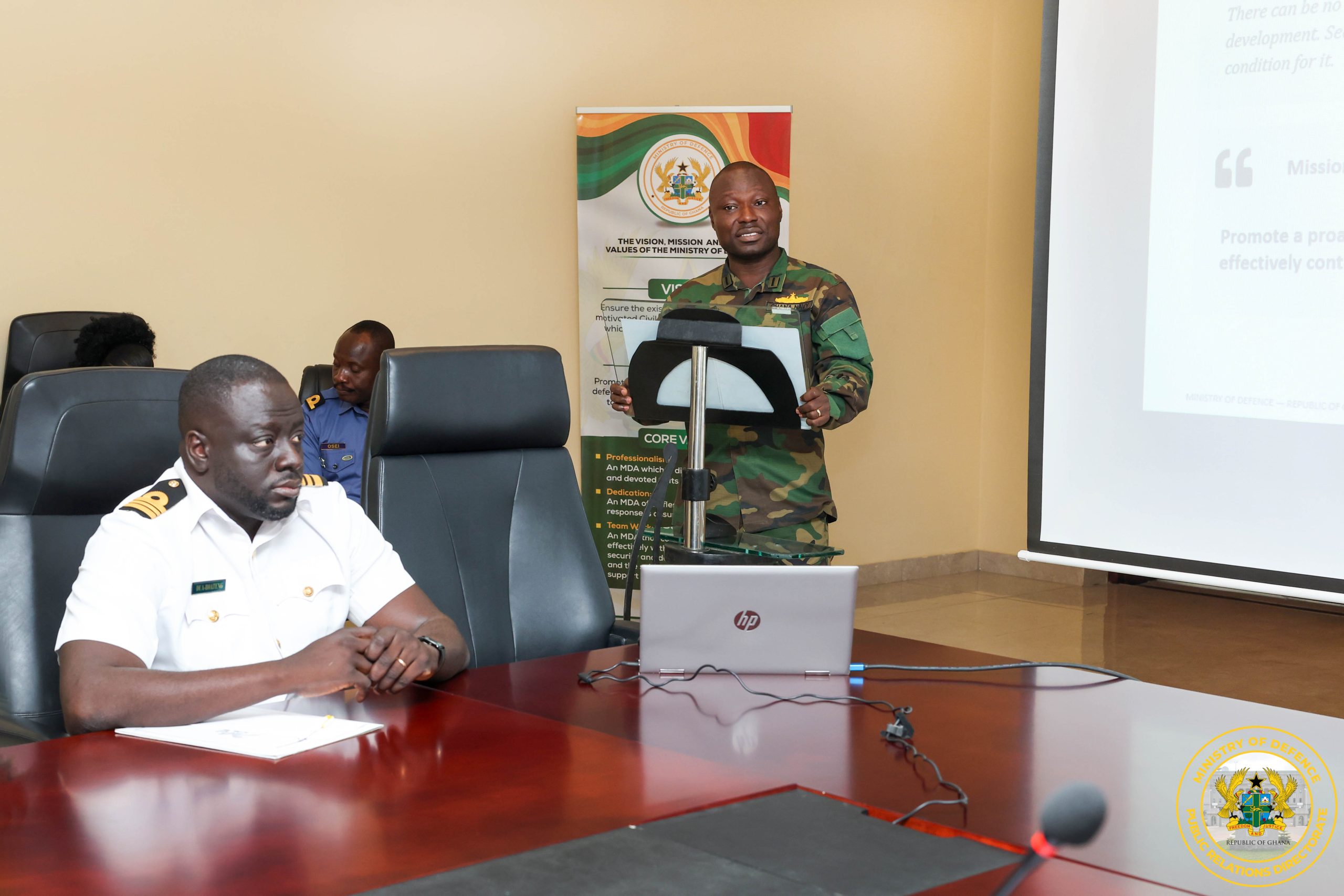
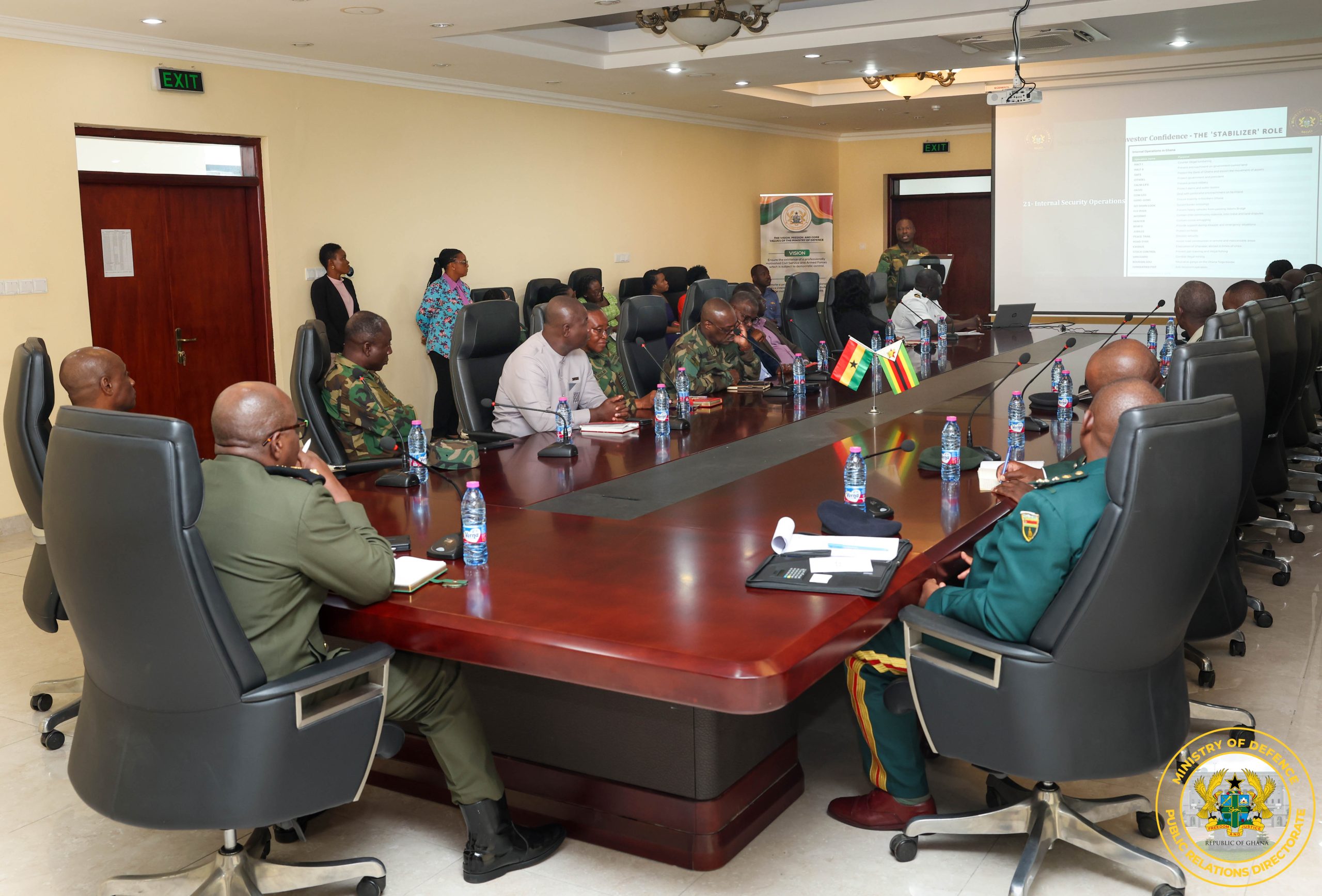
As part of the visit, the Director Navy Liaison at the Ministry, Captain (GN) De-Graft Okyere-Manu, delivered a comprehensive presentation on the role of the Ministry of Defence in promoting socio-economic development through national security.
The presentation highlighted seven key pillars through which the Ministry of Defence, working through the Ghana Armed Forces, contributes to national development. These include Internal Security Operations; Infrastructure Development; Disaster Management; Environmental and Natural Resource Protection; Peace Support Operations and Economic Diplomacy; Human Capital Development and Youth Employment; and Border and Maritime Security.
Captain (GN) Okyere-Manu provided detailed insights into each of the pillars and explained how they contribute to Ghana’s national development agenda. He further noted that the effective implementation of these initiatives was underpinned by the civil-military cooperation model.
He also highlighted some of the challenges confronting the implementation of the various initiatives and outlined measures being adopted to mitigate them.
The presentation was followed by an interactive question-and-answer session, during which members of the delegation sought clarification on various issues relating to Ghana’s defence and security architecture and the contribution of the Ministry of Defence and the Ghana Armed Forces to national development.
The study visit provided an opportunity for knowledge sharing and strengthened professional engagement between the two defence institutions.